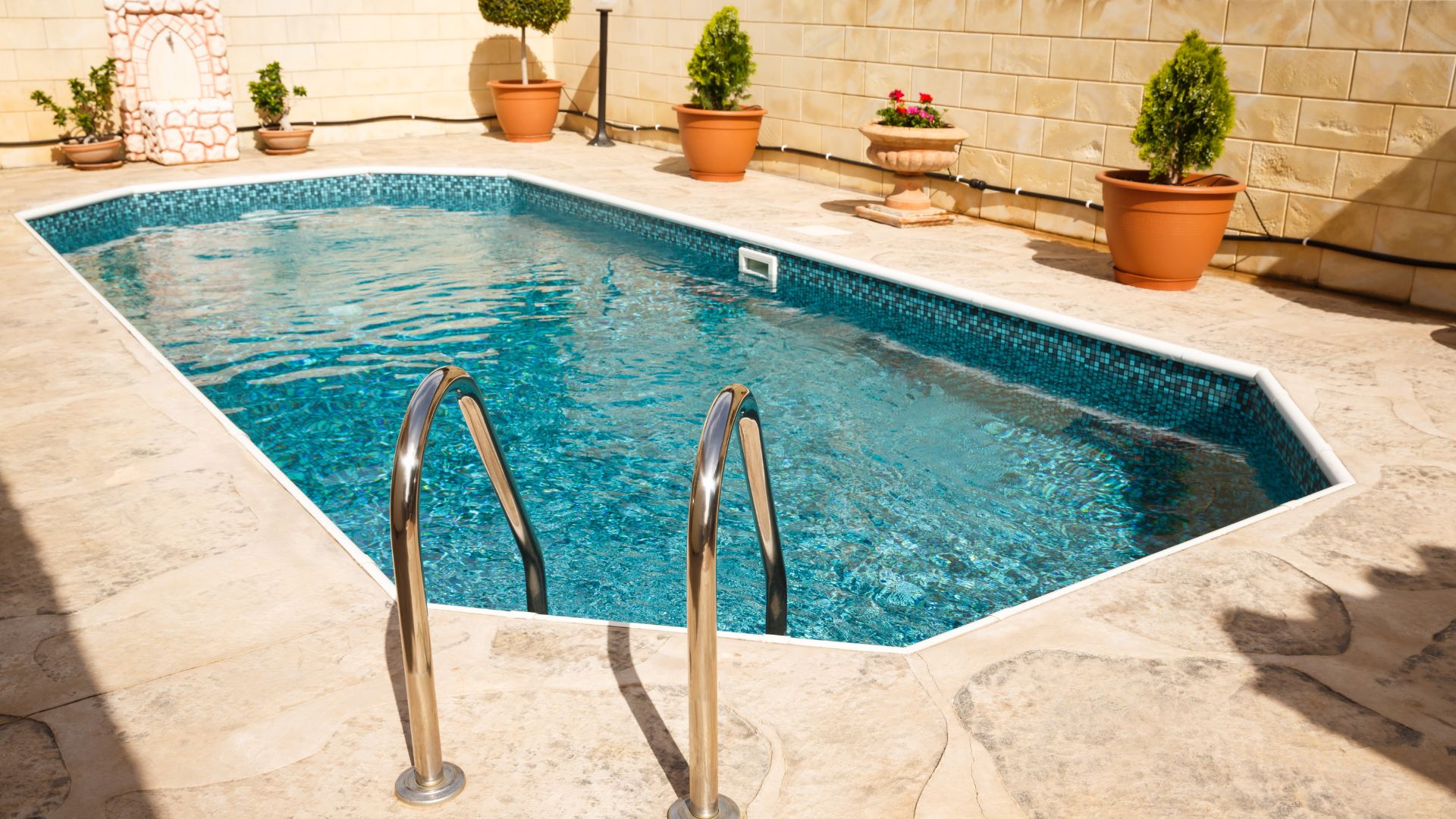
A Certified Pool Operator's Opinion — Before You Buy the House
Your home inspector is not going to inspect the pool. We will — the shell, the underground lines, and every piece of equipment — and you'll have it in writing before your contingency runs out.

Home inspectors don't inspect pools
It surprises almost every buyer we talk to. The standards of practice that home inspectors work to — ASHI and InterNACHI, the ones referenced by Pennsylvania's home inspection law — specifically list swimming pools and spas as excluded. Read the exclusions page of your inspection report and you will find the pool sitting right there next to the septic tank and the underground storage.
So on most pool properties, the single most expensive system on the lot is the one system nobody looked at.
A pool heater is a five-figure replacement. A cracked shell or a failed underground return line means excavating a deck you just paid for. A liner at the end of its life, a pump nobody has serviced in six years, a leak that has been quietly washing soil out from under the patio — none of that shows up in a general home inspection, and all of it becomes yours at closing.
A Certified Pool Operator opinion closes that gap. It is not a guess from someone who owns a pool. It is a documented assessment from the people who service, repair, and rebuild these systems every week in Allegheny County.
What your home inspector does with the pool
- Notes that a pool exists
- Checks the fence and gate latch for code compliance
- Sometimes confirms the equipment powers on
- Writes “recommend evaluation by a pool professional”
- Explicitly disclaims the pool, spa, and all related equipment
What a CPO opinion actually covers
- Shell, liner, plaster, coping, tile and deck condition
- Integrity of the skimmer, return, and suction lines
- Every piece of equipment, with real remaining service life
- Whether the plumbing and wiring were done correctly
- A written opinion with photos and repair cost ranges
The pool, the lines, and the equipment
Those are the three places a pool hides expensive problems. We go through all of them, plus the safety items, and we tell you what we actually think — not what keeps the deal alive.
Structure, surface, and deck
Whether the vessel holding the water is sound, and how many seasons are left in the surface you are looking at.
- Structural cracking vs. cosmetic crazing — they are not the same repair
- Plaster, pebble, or liner condition and realistic remaining life
- Coping, expansion joints, tile line and bond beam
- Deck settling, heaving, and drainage running the wrong way
- Steps, benches, and light niches
Integrity of the underground plumbing
The part of a pool no one can see, and the part that is most expensive to fix once the deck is poured over it.
- Skimmer, main drain, return and suction lines evaluated
- Pressure testing available where the lines can be isolated
- Water-loss assessment — is it evaporation or is it a leak?
- Wet spots, settling, and soil washout around the deck and equipment pad
- Valve condition, plumbing configuration, and whether it was built right
Pump room, top to bottom
Age, condition, and honest remaining life on every component — including whether parts are still made for it.
- Pump, motor, and whether it meets current variable-speed requirements
- Filter type, condition, and last realistic service
- Heater — the single most expensive thing to replace
- Salt cell, chlorinator, automation and controls
- Whether parts are still available, or the unit is orphaned
The things that become your liability
Once you close, every one of these is your problem. Better to know now.
- Anti-entrapment drain covers — present, correct, and in date
- Equipment bonding and grounding at the pad
- Barrier, fencing, gate self-closure and latch height
- Cover condition, anchors, and whether it will actually hold weight
- Prior repairs — and whether they were done by someone who knew what they were doing
Something you can put on the table
A verbal “looks alright to me” is worth nothing in a negotiation. You get a written opinion you can hand to your agent, the seller's agent, or your lender.
- A written Certified Pool Operator opinion covering the pool, the lines, and the equipment
- Photographs of every condition we flag, so nothing is a matter of opinion later
- Realistic repair and replacement cost ranges — the numbers we would quote you ourselves
- Priority order — what has to be addressed now, what can wait a season, what is cosmetic
- A straight answer on whether this pool is a fair deal or a money pit
- Turnaround inside your inspection window, because that deadline is the whole point
Four steps, inside your contingency window
Inspection periods in this market are short. Call us the day you go under contract and we will work to your deadline, not ours.
Call us with your dates
Tell us the property and when your inspection contingency expires. We schedule around that date.
We go out and look
On site we work through the shell, the lines, the pump room, and the safety items. If the pool is open we run the equipment.
You get it in writing
A written opinion with photographs and cost ranges, delivered to you and your agent.
We answer the phone after
Questions from you, your agent, or the listing side — we will get on the phone and explain what we found.
We are the people who would fix it
Anyone can walk a pool and tell you the water looks nice. A Certified Pool Operator is trained on the systems — circulation, filtration, chemistry, and safety — and we have been servicing pools across Pittsburgh and Sewickley for over twenty years.
- Certified Pool Operator credentials, not a general home inspector adding a line item
- Twenty-plus years opening, closing, repairing, and rebuilding pools in Allegheny County
- A Pentair factory warranty station — we know what the equipment is actually worth
- BBB accredited, and we service the pool after you close if you want us to
- No stake in whether you buy the house
Before you call
Does a home inspector inspect the pool?
No. The standards of practice that home inspectors follow — including ASHI and InterNACHI, the associations Pennsylvania's home inspection law points to — list swimming pools, spas, and their equipment as excluded items. Some inspectors will note the pool exists or check the fence, and many will write “recommend evaluation by a pool professional.” That sentence is the whole reason this service exists.
How fast can you get out? My contingency expires soon.
Call us with the expiration date and we will schedule to it. Inspection windows in this market are usually seven to ten days, and we build our route around getting buyers looked at inside that window. The earlier in the window you call, the more room we have.
Can you pressure test the underground lines?
Where the lines can be isolated at the equipment pad, yes. Pressure testing is the only reliable way to know whether a buried return or suction line is intact, and it is the difference between a small repair and tearing up a deck. If the pool is winterized and the lines are already plugged, we will tell you what we can and cannot confirm rather than guessing.
What if the pool is closed and covered?
We can still do a great deal — equipment, plumbing configuration, deck, coping, cover condition, and visible structure. What we cannot do is run the system or see the surface under a foot of water and a cover. We will be explicit in the written opinion about exactly what was and was not observable, and in some cases it is worth opening the pool. That is a conversation to have when you call.
What does it cost?
It depends on the pool, whether it is open or closed, and whether you want the lines pressure tested. Call (412) 534-3490 with the address and we will give you a number on the phone. Set against a heater replacement or a dug-up deck, it is the least expensive part of the transaction.
Do you inspect spas, hot tubs, and pool houses too?
Yes. Attached spas, standalone hot tubs, and the equipment in a pool house are all part of the same system as far as we are concerned. Mention them when you call so we allow the time.
I'm the listing agent. Can I have this done before we go on market?
That is often the smarter play — you get ahead of the problem instead of renegotiating over it two days before closing. See our page for real estate agents.
Don't buy a pool you haven't had looked at
Call (412) 534-3490 and we'll work to your inspection deadline.